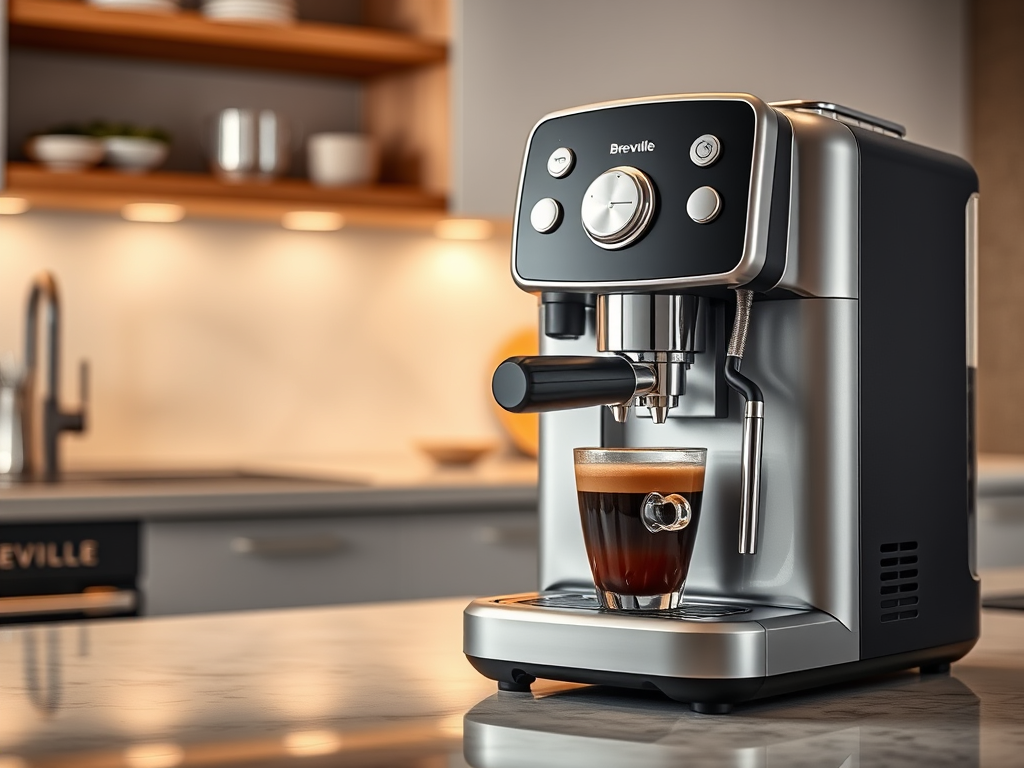
The 5 Best Beginner Espresso Machines for 2025 (Honest Reviews)

Choosing your first espresso machine is overwhelming. We cut through the hype with real reviews of the best beginner machines for 2024, from super-automatic to manual options.
So, you want to bring the café experience home. You’re dreaming of rich, creamy espresso and perfect latte art, but you’re staring at a wall of machines with dizzying specs and price tags. Where do you even start?
I’ve been there. The world of home espresso is deep, but your entry into it doesn’t have to be complicated. After testing and researching countless models, I’ve narrowed it down to the five best espresso machines for beginners that actually deliver on their promises without requiring a degree in rocket science to operate.
Let’s find your perfect match.
How We Chose These Machines
We didn’t just look at marketing copy. We prioritized what actually matters for a beginner:
· Ease of Use: How steep is the learning curve?
· Consistency: Does it produce a great shot every time?
· Value: Does the performance justify the price?
· Build Quality: Will it last more than a year?
At a Glance: Our Top Picks
| Machine | Best For | Price Point | Key Features |
| Breville Bambino Plus | The Overall Best | Mid-Range | Speed & Consistency |
| Gaggia Classic Pro | The Future Pro | Mid-Range | Commercial Parts |
| De’Longhi Stilosa | The Tight Budget | Budget | Surprising Performance |
| Flair Neo Flex | The Purist | Budget | Total Control |
| Breville Barista Express | The All-in-One | Investment | Built-in Grinder |
1. Breville Bambino Plus: The Overall Best Beginner Machine
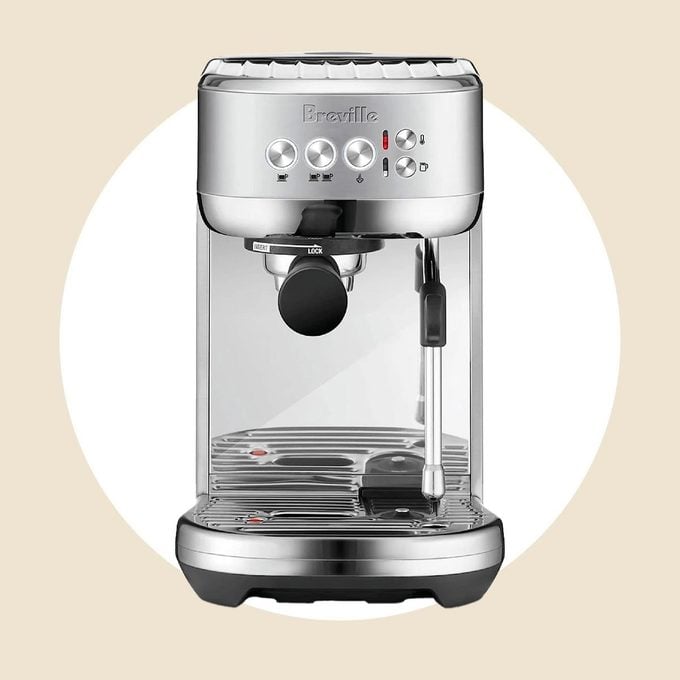
Overview The Breville Bambino Plus is almost universally recommended for a reason.It removes the two biggest hurdles for beginners: long heat-up times and difficult milk frothing.
Pros
· 3-second heat-up time. No waiting. From sleep to espresso in seconds.
· Automatic milk frothing. It textures milk for you at the press of a button, making lattes and cappuccinos effortless.
· Small footprint. Fits easily on any countertop.
· Pre-infusion function. A feature found on prosumer machines that gently wets the coffee grounds for more even extraction.
Cons
· You must buy a grinder separately. A good grinder is non-negotiable for espresso, so factor this into your budget.
· Primarily plastic construction. It feels a bit light, though Breville’s build quality is generally reliable.
Who It’s For: Anyone who values convenience, speed, and consistency above all else. If you want great espresso and milk drinks with minimal fuss, this is your winner.
2. Gaggia Classic Pro: The Future Proof Workhorse
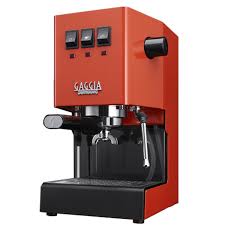
Overview The Gaggia Classic Pro is a legend.It’s less about fancy features and more about commercial-grade components that you can learn and grow with for years.
Pros
· Commercial-style brass boiler. Provides stable temperature control.
· Industry-standard 58mm portafilter. Gives you a huge ecosystem of accessories and tampers to upgrade with.
· Built like a tank. Made in Italy with a reputation for lasting decades.
· Huge modding community. You can upgrade it as your skills grow.
Cons
· Steep learning curve. You have to learn how to “temperature surf” to get the best results.
· The steam wand takes practice. It’s powerful but requires a technique to master.
· Longer heat-up time. Takes about 10-15 minutes to get fully heated.
Who It’s For: The tinkerer who sees espresso as a hobby and wants a machine they won’t outgrow. It’s a investment in your espresso journey.
3. De’Longhi Stilosa: The Best Value on a Tight Budget
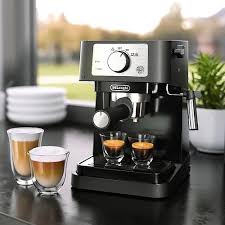
Overview Don’t let the low price fool you.The De’Longhi Stilosa is proof that you don’t need to spend a fortune to start pulling shots at home.
Pros
· Extremely affordable. The perfect entry point to see if you enjoy the process.
· Simple to use. A straightforward, no-frills operation.
· Includes everything you need. Comes with both single and double shot baskets.
· Steam wand included. You can still make milk-based drinks.
Cons
· Uses a pressurised portafilter. This is both a pro and a con. It’s forgiving with pre-ground coffee, but it limits the quality ceiling of your espresso.
· Plastic construction. Feels less durable than more expensive models.
· Not for perfectionists. You’ll eventually want to upgrade.
Who It’s For: The absolute beginner on a very tight budget who wants to dip their toes in the water without a major financial commitment.
4. Flair Neo Flex: The Best Manual Espresso Maker
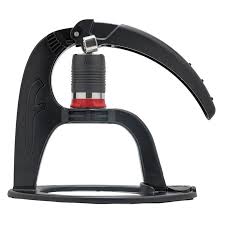
Overview If you want to understand espresso from the ground up and have total control,a manual lever machine like the Flair Neo Flex is a fascinating and rewarding path.
Pros
· Unbeatable price for quality. You get incredible espresso quality for a fraction of the cost of an electric machine.
· Complete control. You control every variable: pressure, pre-infusion, and shot time.
· No electricity needed. Perfect for small spaces, travel, or off-grid use.
· Silent operation.
Cons
· It’s a workout. Pulling a shot requires physical effort.
· Not for milk drinks. You have to heat and froth milk separately with another device.
· Biggest learning curve. This is for those who truly want to geek out.
Who It’s For: The coffee purist on a budget who values the process and ultimate shot control over convenience and milk drinks.
5. Breville Barista Express: The All-in-One Powerhouse
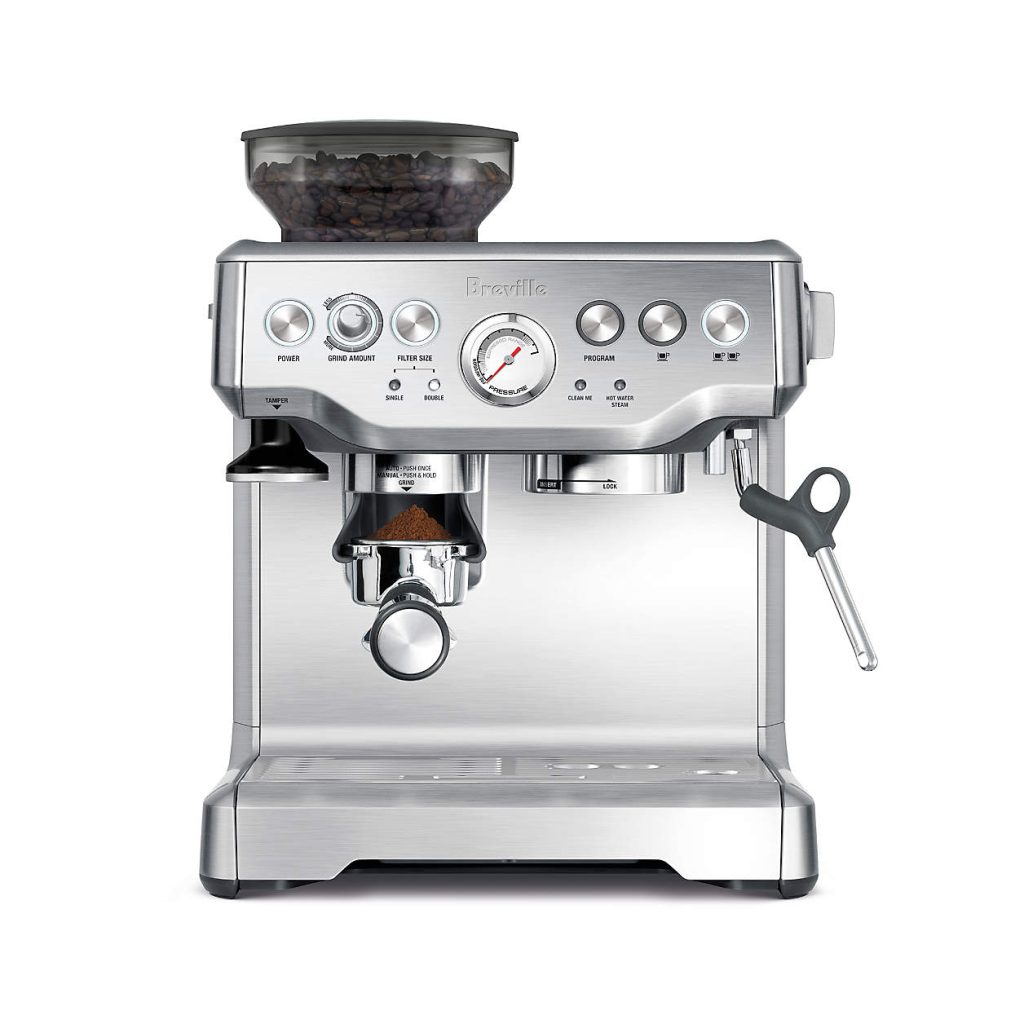
Overview If you want everything in one box and are willing to pay for it,the Barista Express is the most popular all-in-one machine for beginners.
Pros
· Built-in grinder. This is its biggest selling point. No need for a separate, expensive purchase.
· Great all-around performance. Excellent espresso and a capable steam wand.
· Guided learning. The dials and markings help you learn the basics of dose, grind size, and yield.
Cons
· The grinder is just okay. It’s convenient, but it’s the first thing serious enthusiasts will upgrade.
· Large footprint. Takes up a significant amount of counter space.
· Higher price point. You’re paying for the convenience of the built-in grinder.
Who It’s For: Someone who has the budget for an all-in-one solution and values a streamlined, uncluttered setup right out of the box.
Beginner Espresso Machine FAQ
Q: Do I really need a grinder? A: Yes. This is the most important advice you will get.An espresso machine is only as good as the grinder feeding it. Pre-ground coffee goes stale quickly and won’t work well in most non-pressurized machines. A good burr grinder is a non-negotiable part of your setup. Budget for it.
Q: What else do I need to get started? A:Besides a grinder, you’ll need:
· Freshly roasted espresso beans
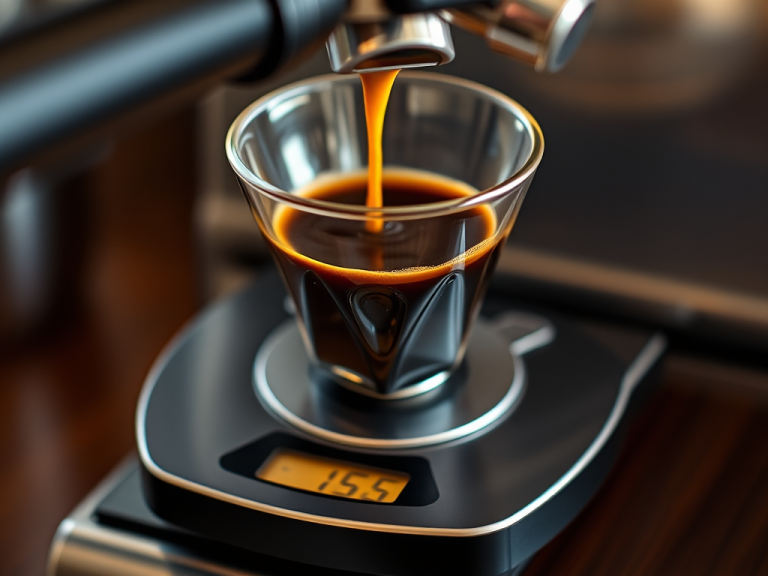
· A scale that measures in 0.1-gram increments (crucial for consistency)
· A tamper (usually comes with the machine)
· A small jug for steaming milk
Q: How much should I spend? A:A realistic starter budget for a quality setup (machine + grinder) is between $400 and $800. You can start for less (like with the De’Longhi Stilosa), but you will quickly understand the limitations.
The Bottom Line
Your best beginner espresso machine depends entirely on your goals and budget.
· For the perfect balance of convenience and quality, the Breville Bambino Plus is unbeatable.
· For the budget-conscious beginner, the De’Longhi Stilosa gets you in the game.
· For the future espresso geek, the Gaggia Classic Pro is a lifelong investment.
No matter which you choose, welcome to the rewarding world of home espresso. Your morning routine is about to get a whole lot better.


2 Comments