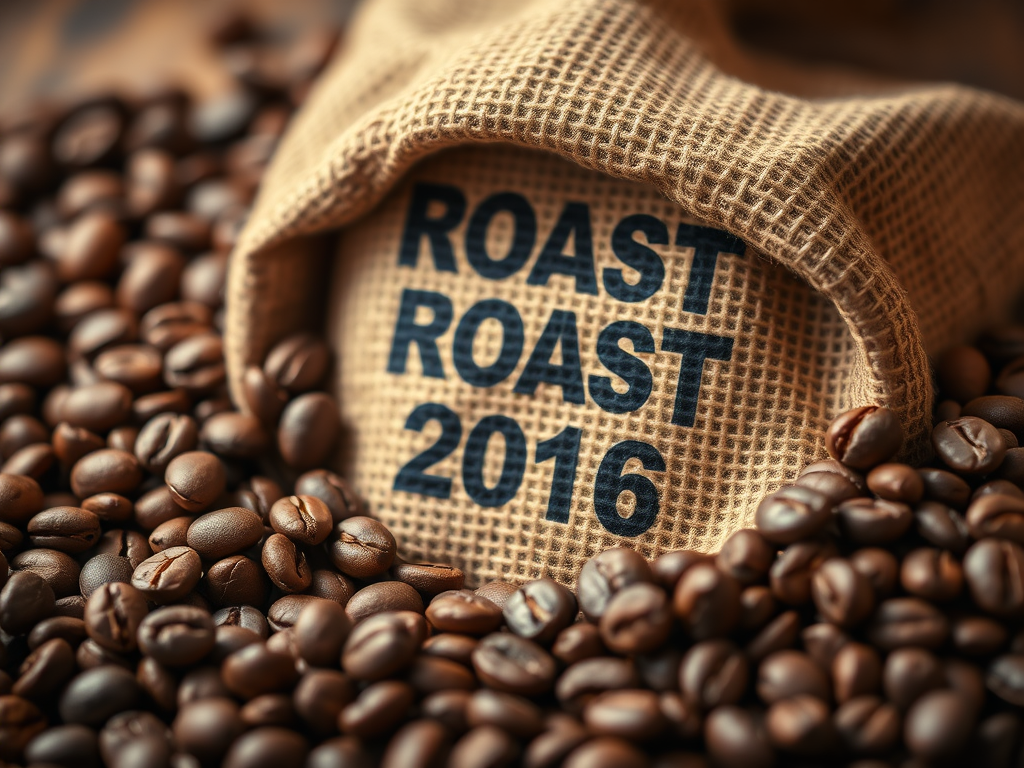
How to Choose and Store Coffee Beans: The Ultimate Guide to Freshness
You’ve dialed in your grind, perfected your technique, and preheated your machine. You pull a shot, but the flavor falls flat. It’s not bitter or sour—it’s just… lifeless.
The culprit? It’s almost certainly your beans.
Choosing the right coffee beans and storing them correctly is the most important step in making great coffee. It doesn’t matter how expensive your gear is; stale or poorly chosen beans will always make a mediocre cup.
This guide will turn you into a savvy coffee bean shopper, ensuring your hard work brewing isn’t wasted on stale beans.
Part 1: How to Choose the Right Coffee Beans
Forget the vague labels. Here’s what to actually look for on the bag.
1. The Roast Date: The Single Most Important Fact
Look for: A “Roasted On” date.
Avoid: A “Best By” date.
Coffee is a fresh agricultural product, not a shelf-stable canned good. Its peak flavor lasts for about 3-5 weeks after the roast date.
- A “Roasted On” date tells you exactly how old it is. This is the mark of a quality roaster.
- A “Best By” date is meaningless and is often a year in the future. By that time, the beans will be completely stale.
Your Goal: Buy beans that were roasted within the past 1-2 weeks.
2. Origin & Variety: Finding Your Flavor Profile
Where a coffee is from tells you a lot about how it will taste. Think of it like wine.
- Latin America (Colombia, Brazil, Guatemala): Often known for balanced, approachable flavors with notes of chocolate, nuts, and caramel. These are fantastic, crowd-pleasing choices for espresso.
- Africa (Ethiopia, Kenya): Famous for complex, vibrant, and fruity flavors. You might taste berries, citrus, or floral notes. Excellent for pour-over and adventurous espresso.
- Asia-Pacific (Sumatra, Papua New Guinea): Typically heavier, earthier, and more full-bodied with notes of spice, wood, and dark chocolate.
3. Roast Level: It’s About Preference, Not Quality
The roast level determines the body and which origin flavors are highlighted.
- Light Roast: Bright, acidic, and complex. Highlights the bean’s origin character (fruity, floral). Best for: Pour-over, AeroPress.
- Medium Roast: Balanced, sweeter, with more body. A great mix of origin character and roast flavor. Best for: Everything! The most versatile roast.
- Dark Roast: Bold, robust, with low acidity. Dominant roast flavors of dark chocolate, spice, and smokiness. The bean’s origin is mostly hidden. Best for: Espresso, strong drip coffee.
Beginner Tip: Start with a Medium Roast from Latin America. It’s the most forgiving and widely enjoyed profile.
4. Whole Bean vs. Pre-Ground: There’s No Debate
Always, always choose whole bean.
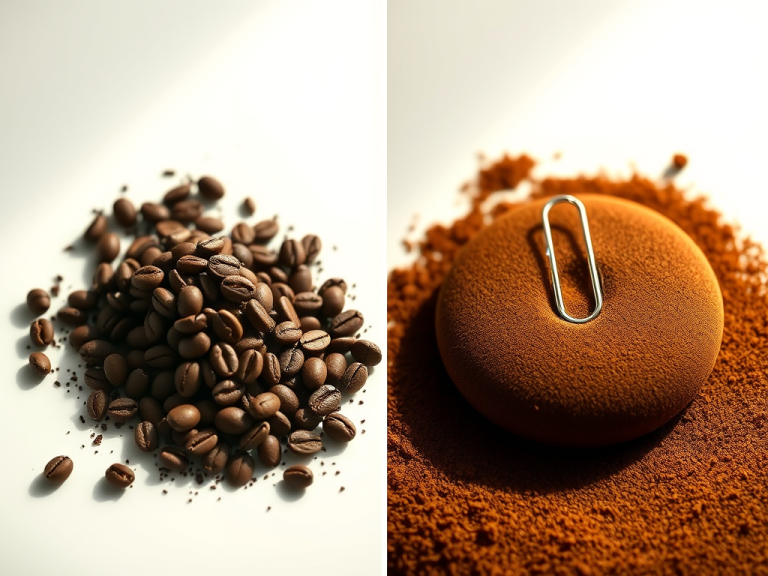
Coffee begins staling the moment it’s ground. The increased surface area exposes the oils and aromatics to oxygen, causing them to oxidize and go rancid rapidly. Pre-ground coffee can be stale before you even open the bag.
Grinding fresh right before you brew is the biggest upgrade you can make to your coffee’s flavor, period.
Part 2: How to Store Coffee Beans Correctly
You bought fresh beans; now keep them that way. Your enemies are air, light, heat, and moisture.
The Best Way to Store Beans (Short-Term)
- The Bag It Came In: The best place for your beans for the first week is often the bag they came in. Many quality roasters use bags with a degassing valve (the little plastic button) that lets CO2 out without letting oxygen in. Keep the bag sealed tightly with the built-in tab.
- An Airtight Canister: If your bag doesn’t reseal well, transfer beans to an opaque, airtight container made of ceramic or tinted glass. Store it in a cool, dark cupboard.
The Worst Places to Store Beans
- The Freezer or Fridge: Do not do this. Unless you are storing beans for longer than a month, the freezer introduces moisture and can cause flavor absorption from other foods. The constant temperature change from taking them in and out accelerates staling.
- A Clear Glass Jar on the Counter: This exposes your beans to their two biggest enemies: light and heat.
The Golden Rule: Buy What You Need
The best storage strategy is to not store beans for long. Buy smaller amounts more frequently. A good rule of thumb is to buy a 12-ounce (340g) bag and aim to finish it within two weeks of its roast date.
Your Coffee Bean Checklist
| Do | Don’t |
|---|---|
| ✔️ Look for a “Roasted On” date | ❌ Buy beans with only a “Best By” date |
| ✔️ Choose Whole Bean | ❌ Ever buy pre-ground |
| ✔️ Store in a cool, dark, airtight container | ❌ Store in the fridge, freezer, or clear jar |
| ✔️ Use within 3-4 weeks of roast | ❌ Let beans sit for months |
FAQ: Choosing & Storing Beans
Q: How can I tell if my beans are stale?
A: Stale beans lack aroma. They won’t produce much crema in an espresso machine, and the brewed coffee will taste flat, papery, or cardboard-like.
Q: Is it okay to buy from the bulk bins at the grocery store?
A: It’s risky. You have no idea when those beans were roasted or how long they’ve been sitting exposed to air and light. It’s better to buy a sealed bag with a roast date.
Q: How much should I spend on good beans?
A: Expect to pay between $16 – $22 for a 12oz bag from a quality local or online roaster. It’s a world of difference from a $7 supermarket bag.
The Bottom Line
Great coffee starts long before you grind. By choosing a freshly roasted, high-quality whole bean and storing it properly, you’ve already won 80% of the battle for a perfect cup.
All that flavor is locked inside until you grind. To unlock it, you need the right tool. [Here’s how to choose the best grinder for your needs and budget] The Best Espresso Grinders for Beginners in 2025 (No BS Guide)


One Comment