Espresso vs. Coffee: What’s the Real Difference?
You’re not the first person to wonder this. You stand at a café, looking at a menu full of lattes, americanos, and drip coffee, and the question hits you: What actually is the difference between espresso and coffee?
Is it just about size? Strength? Or is there something more going on?
The answer might surprise you. Espresso isn’t just a type of coffee bean or a roast level. It’s an entirely different brewing method. The difference is in the process, and that process changes everything about the final cup.
Let’s brew this down to the basics.
The Core Difference: It’s All About How It’s Made
Think of it like this: Drip coffee is a slow seep. Espresso is a fast, pressurized extraction.
· Drip Coffee: Hot water gently trickles through moderately coarse coffee grounds, slowly dissolving flavors and oils into the carafe below. It’s a gentle, passive process.
· Espresso: Near-boiling water is forced under high pressure (9 bars) through very finely-ground, tightly-packed coffee. This intense process extracts a concentrated shot of coffee, complete with its signature layer of crema.
This fundamental difference in process creates all the other differences we see, taste, and feel.
Espresso vs. Coffee: A Side-by-Side Comparison
| Features | Espresso | Drip Coffee |
| Brewing Method | High-pressure extraction | Gravity-based percolation |
| Brew Time | 20-30 seconds | 4-8 minutes |
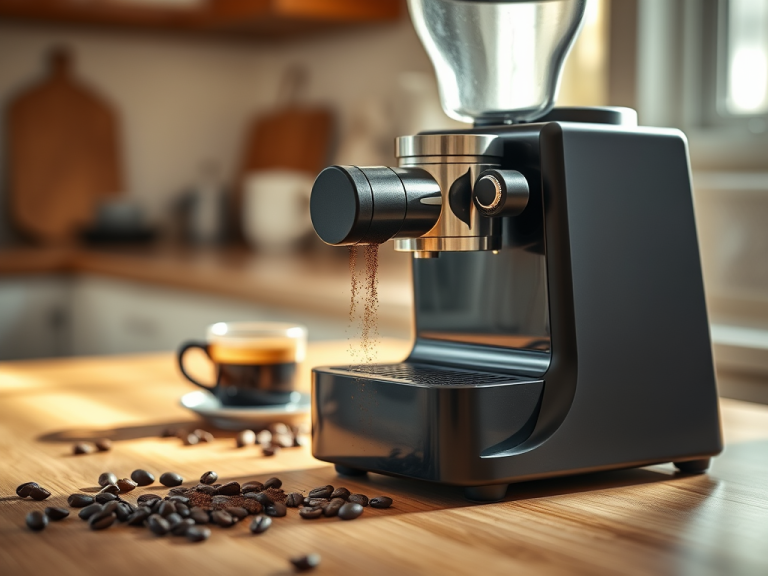
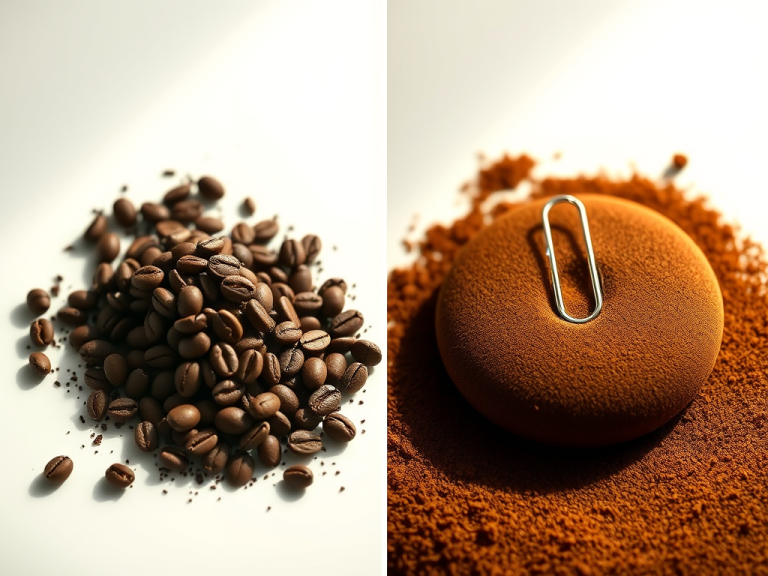
| Grind Size | Very fine, like powdery sand | Coarse, like sea salt |
| Coffee Amount | 18-20 grams | 55-60 grams(for a pot) |
| Serving size | 1 oz (a”shot”) | 8 oz(a standard mug) |
| Caffeine Content | 64mg per shot | 95 mg per cup |
| Key Feature | Crema(emulsified oils) | Clarity&Nuance |
Breaking Down the Biggest Myths
Myth 1: “Espresso Beans Are Different”
The Truth: There is no such thing as an “espresso bean.” You can use any coffee bean to make espresso or drip coffee. The difference is often in the roast. Espresso blends are often roasted darker to stand up to the intense extraction process and provide that classic bold, chocolaty flavor. But a light roast Ethiopian bean can make a stunning, fruity espresso shot.
Myth 2: “Espresso Has More Caffeine”
The Truth: This is a trick of perspective.
· By Volume: Yes, a 1-ounce shot of espresso has more caffeine than a 1-ounce pour of drip coffee.
· By Serving: No. A standard 8-ounce mug of drip coffee contains more total caffeine (~95 mg) than a single shot of espresso (~64 mg). You’re simply drinking a much larger volume of coffee.
So, if you need a bigger caffeine kick, you’re better off with a full mug of drip. If you want a concentrated flavor burst with less liquid, choose espresso.
Myth 3: “Espresso Is Bitter and Strong”
The Truth: A well-made espresso should be balanced, not just bitter. It can have a wide range of flavors—chocolate, caramel, nutty, fruity, even floral. Bitterness is often a sign of over-extraction (grind too fine, shot pulled too long) or stale beans. A perfect shot is strong in flavor intensity, but it should be smooth and complex.
Which One Is Right For You?
· Choose Espresso if:
· You love small, concentrated drinks like shots, macchiatos, or cortados.
· You enjoy milk-based drinks like lattes and cappuccinos (esresso is the base for them all).
· You appreciate the ritual and speed of the process.
· Ready to start your espresso journey? Check out our guide to the Best Beginner Espresso Machines.
· Choose Drip Coffee if:
· You enjoy sipping on a larger, warmer mug of coffee.
· You prefer clearer, more nuanced flavor notes from light roast beans.
· You need to brew coffee for multiple people at once.
· You want a simpler, more hands-off brewing process.
The Bottom Line: It’s Not a Competition
Espresso and drip coffee aren’t rivals; they’re just different tools for different jobs. One isn’t inherently better than the other. It all comes down to your personal preference, your mood, and what you’re in the mood for.
The best way to decide? Try them both. Your perfect cup of coffee is out there waiting.