Why is My Espresso Sour? The 5 Most Likely Causes (And How to Fix Them)
You wait for the magic to happen. The golden crema flows into your cup, promising a rich, complex brew. You take that first eager sip… and pucker up. It’s sharp, acidic, and downright sour. What went wrong?
A sour espresso shot is the most common problem home baristas face. But here’s the good news: it’s a clear signal from your coffee, and it’s usually an easy fix. Sourness is the tell-tale sign of under-extraction—meaning the water hasn’t pulled enough delicious compounds from the coffee grounds.
Let’s diagnose the five most likely culprits killing your buzz and learn how to fix them for a perfectly balanced shot.
1. Your Grind is Too Coarse (The #1 Cause)
The Problem: If your coffee grounds are too coarse, water will rush through them too quickly. It doesn’t spend enough time in contact with the coffee to dissolve the sugars, oils, and other compounds that balance out the natural acids. The result? You’re left with only the brightest, sharpest flavors.
The Fix: Grind Finer.
- This is always the first adjustment you should make.
- Adjust your grinder one click finer and pull another shot.
- Keep going gradually until your sour shot becomes balanced. Your target extraction time should be between 25-35 seconds for a double shot.
2. Your Dose is Too Small
The Problem: Not enough coffee in the basket means the water has less resistance to push against, causing it to flow through too fast. It also means there’s less total coffee for the water to extract, leading to—you guessed it—under-extraction.
The Fix: Increase Your Dose.
- If you’re using 17 grams, try upping it to 18 grams.
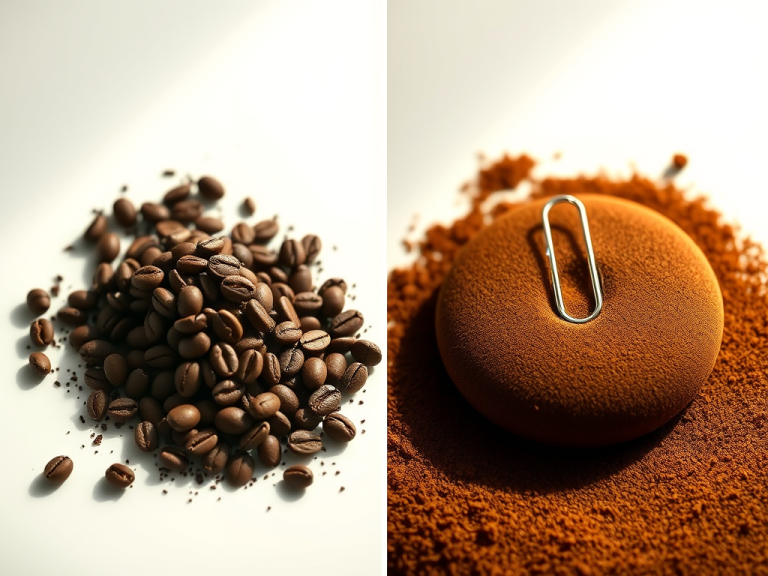
- Make sure you are not overfilling your portafilter basket. The coffee puck should have a small amount of space (about a coin’s thickness) between it and the shower screen after you tamp.
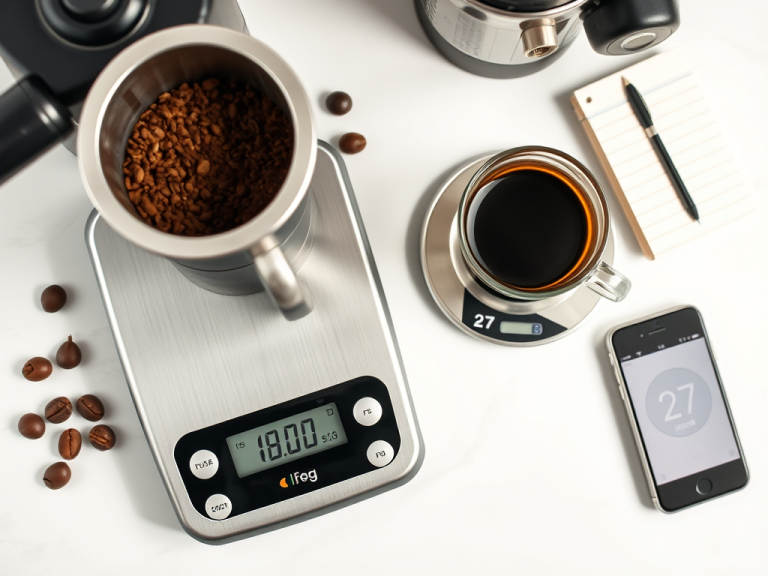
- Pro Tip: Use a digital scale! Never guess your dose.
3. Your Water Temperature is Too Low
The Problem: Heat is a key ingredient in extraction. Hotter water extracts more quickly and efficiently. If your machine’s water temperature is too low, it won’t have the energy to properly dissolve the sugars in the coffee, leaving you with a sour, under-developed shot.
The Fix: Increase the Temperature.
- If your machine has a temperature control setting, increase it by 1-2 degrees Fahrenheit.
- For machines without PID controls (like a Gaggia Classic): Make sure you fully heat up your machine. Let it sit for at least 15-20 minutes to become thermally stable. Research “temperature surfing” for your specific machine to learn how to manage its heat cycle.
4. You’re Not Tamping with Enough Pressure
The Problem: Tamping creates the resistance that forces the water to seep evenly through the coffee grounds. An uneven or weak tamp creates “channels” where water finds the path of least resistance, gushing through some parts of the coffee puck and barely touching others. This uneven extraction tastes sour and weak.
The Fix: Tamp Consistently and Firmly.
- You don’t need Herculean strength. Apply firm, even pressure—about 20-30 pounds of force—to create a level, compact puck.
- The key is consistency. Ensure the tamp is perfectly level so one side isn’t higher than the other.
- Give your portafilter a gentle twist and polish at the end to smooth the surface.
5. Your Beans Are Too Fresh or Too Light
The Problem:
- Too Fresh: Coffee beans release CO2 for days after roasting. If you use them too fresh (less than 5-7 days off roast), this gas can repel water, preventing proper extraction and leading to a sharp, sour taste.
- Too Light: Light roast beans are denser and packed with more natural acids. They are inherently harder to extract than darker roasts. If your grind isn’t fine enough or your machine isn’t hot enough, you’ll only get those bright, acidic notes without the sweetness to balance them.
The Fix: Rest Your Beans or Adjust Your Recipe.
- Wait: For espresso, use beans that are 5-14 days off roast. This “degassing” period is perfect for extraction.
- Adjust for Light Roasts: If you love light roasts, you need to extract them more aggressively. Use a finer grind, higher dose, and higher water temperature than you would for a dark roast.
Quick Troubleshooting Checklist:
| Symptom | Likely Cause | Quick Fix |
|---|---|---|
| Sour, fast gushing shot | Grind too coarse | Grind finer |
| Sour, weak body | Dose too small | Increase dose |
| Sour, thin, lacks sweetness | Water too cold | Increase temperature |
| Sour & uneven | Uneven/weak tamp | Tamp evenly & firmly |
| Sharp & gassy | Beans too fresh | Let beans rest 5+ days |
The journey to a perfect shot is a process of listening and adjusting. Your sour espresso isn’t a failure; it’s just the first step in a delicious conversation. Now, go fine-tune your grind and pull that balanced shot you deserve.
What was the fix for your sour espresso? Share your victory in the comments below!
Disclosure: This post contains affiliate links. If you buy through these links, we may earn a commission at no extra cost to you. We test and use this gear to help you make better coffee.