Latte Art for Beginners: Your Guide to Easy Pouring (No Talent Required)
You see it all over Instagram and your local café: beautiful swans, intricate tulips, and perfect rosettas floating atop a velvety latte. It looks like magic, a skill reserved only for baristas with years of experience and mystical powers.
I’m here to let you in on a secret: Latte art is not about talent. It’s about technique.
And the simplest design of all—the heart—is something you can absolutely learn to do at home. It requires just three things: well-steamed milk, a decent shot of espresso, and knowing a simple two-step pouring method.
Let’s break down the art of the pour into a no-stress, beginner-friendly process.
The Only 2 Things You Actually Need to Succeed
Before you even think about design, you need to get these two fundamentals right. They are non-negotiable.
- Properly Steamed Milk: This is 90% of the battle. Your milk needs to be:
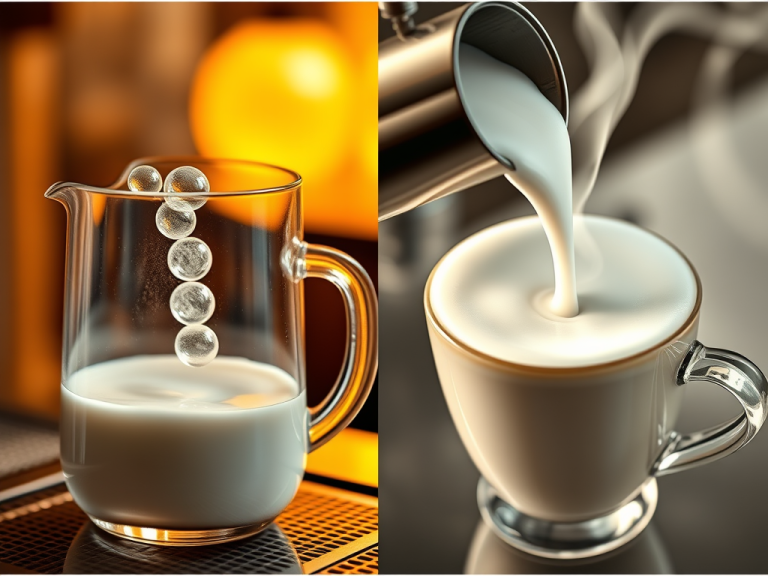
- Microfoam: The texture should be like wet paint or melted ice cream. It should be shiny and smooth, with no large, bubbly foam.
- The Right Temperature: Aim for between 140-155°F (60-68°C). Too hot, and the milk scalds and loses its sweetness. Too cold, and it won’t incorporate properly.
- How to get it: Submerge the steam wand tip just below the surface to create a gentle chirp-chirp sound for 3-5 seconds (this adds air). Then, submerge it deeper to create a swirling vortex (this incorporates the air and heats the milk). Stop when the pitcher is almost too hot to touch.
- A Good Espresso Base:
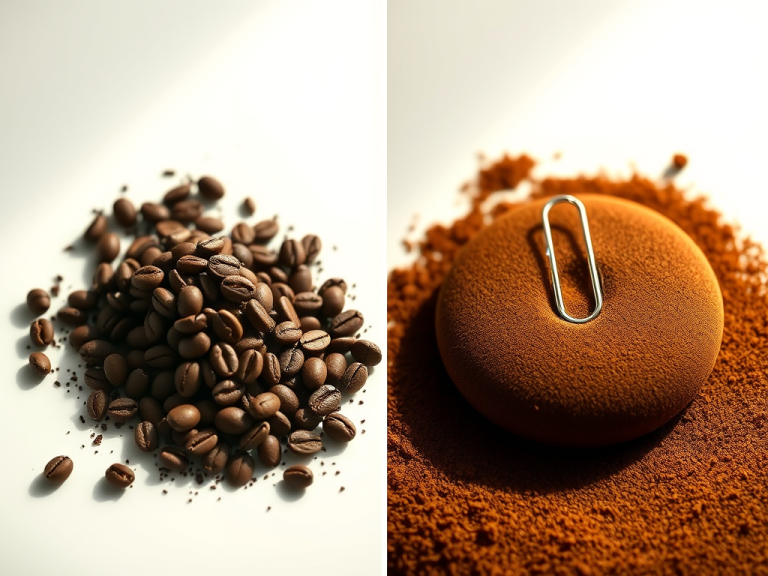
- Your espresso needs a healthy layer of crema—the golden-brown foam on top. This provides the canvas for your milk art.
- Give your espresso cup a quick swirl before you pour to incorporate the crema evenly.
Your First Design: The Simple Heart (Step-by-Step)
The heart is the foundation of all latte art. Master this, and you’re on your way.
Step 1: Prep Your Canvas
- Brew your espresso into a wide, round cup (not a tall mug). The wider surface area gives you more room to work.
- Steam your milk to perfect microfoam. Important: Give your milk pitcher a firm tap on the counter to pop any big bubbles, then swirl it vigorously until it’s shiny and smooth. If the milk looks bubbly or separates, it’s not ready for art.
Step 2: The High Pour (Mixing)
- Hold the cup at a slight angle.
- Start pouring the milk from a relatively high height (about 3-4 inches above the cup).
- Pour directly into the center of the espresso. This initial high pour allows the milk to plunge beneath the surface and mix with the espresso, creating a uniformly creamy base. Pour until the cup is about half full.
Step 3: The Low Pour (Designing)
- This is where the magic happens. Lower the pitcher so the spout is almost touching the surface of the coffee.
- As you continue to pour, you’ll see the white crema start to appear on the surface. Keep pouring in the center with a steady flow. A white dot will form and begin to expand.
Step 4: The Finish (The Heart)
- Once the white dot is about the size you want your heart to be, it’s time to finish.
- Slowly raise the pitcher back up to a higher height.
- As you raise it, quickly pull the stream of milk directly through the center of the circle.
- This “pull” will drag the bottom of the circle down into a point, forming a perfect heart!
Troubleshooting: Why Didn’t It Work?
- Just a big white blob? You didn’t “pull” through at the end. Remember to raise the pitcher and cut through the center.
- No white showing at all? You didn’t get close enough with the pitcher during the design phase. Get that spout right down near the surface.
- Big bubbles and blobs? Your milk texture wasn’t smooth enough. Tap and swirl that pitcher!
- Design is faint or blurry? Your milk might be too thin or you poured too slowly. You need a steady, confident pour.
The Next Step: The Rosetta (The Swirling Leaf)
Once you’ve mastered the heart, the rosetta is the next logical step. The start is identical, but instead of pouring just in the center for the design phase, you gently wiggle the pitcher from side to side as you pour. This creates the leaf pattern. Finish by pulling through the center, just like with the heart.
The Bottom Line: Practice, Don’t Perfect
Your first heart might look more like a ghost. Your tenth might look like a tulip. That’s okay! The goal is to improve, not to be perfect on the first try.
The most important step is the last one: Enjoy your delicious, hand-crafted drink. You made that. And it’s beautiful.
The foundation of great latte art is perfectly steamed milk. If you’re struggling with texture, [our guide to steaming milk like a pro will walk you through every step]How to Steam Milk: The Ultimate Guide to Silky Microfoam (Even on a Cheap Machine)