Espresso Your Genes: How Your Morning Shot Can Upgrade Your DNA (New Study Explained)
You sip your morning espresso for the energy, the focus, and the ritual. But what if that tiny cup was doing something far more profound on a cellular level?
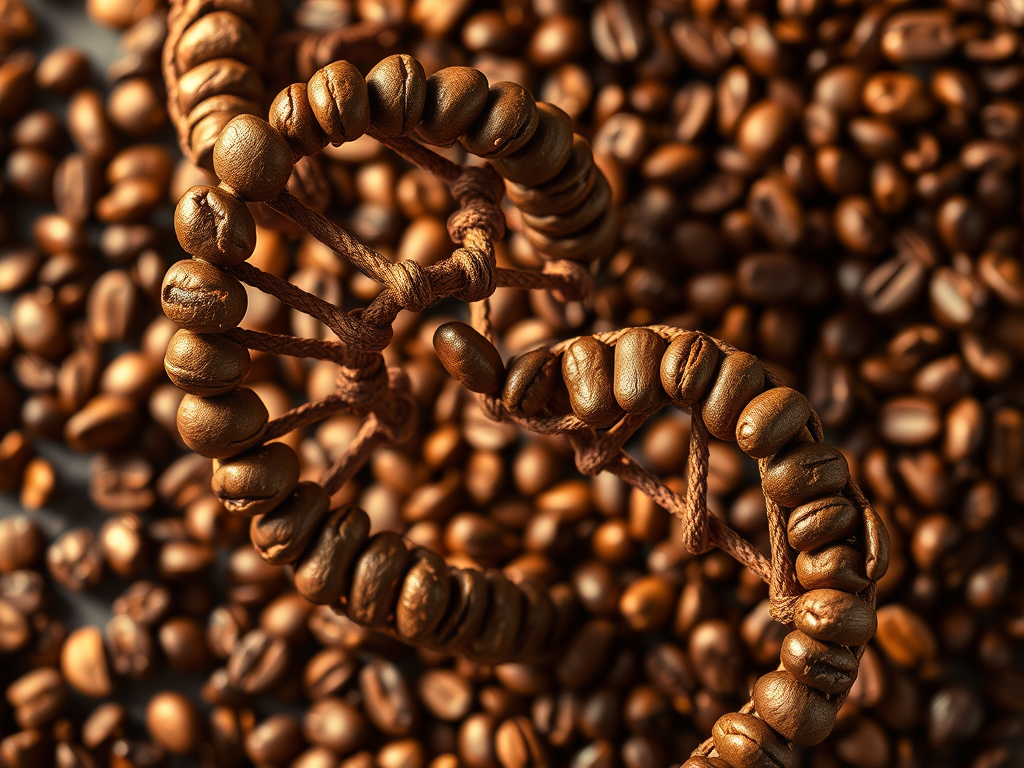
Groundbreaking research is moving beyond just what coffee does for your brain and starting to reveal how it communicates with your very DNA. It turns out, espresso isn’t just a beverage; it’s one of the most accessible and potent biohacks on the planet.
This isn’t just another “coffee is good for you” article. This is about how the compounds in your daily shot can influence your genetic code, turning down inflammation and turning up your body’s natural defense systems.
Let’s dive into the science of nutrigenomics and how you can optimize your brew for maximum genetic impact.
The Science of Sipping and Your DNA
The field of nutrigenomics studies how the foods and compounds we consume “talk” to our genes, influencing whether they are switched on or off.
This doesn’t mean coffee changes your fundamental genetic sequence. Instead, the bioactive compounds in espresso act like a master switch, influencing how your genes are expressed.
The two key players in this genetic conversation are:
- NRF2 (Nuclear factor erythroid 2–related factor 2): This is the “master regulator” of your body’s antioxidant response. When activated, it signals your cells to produce powerful antioxidant and detoxifying enzymes.
- Inflammatory Genes (like NF-kB): This pathway is like the alarm system for inflammation. When overactive, it’s linked to chronic disease and accelerated aging.
High-quality espresso is packed with polyphenols, like chlorogenic acid, that directly influence these pathways.
How Your Espresso “Upgrades” Your Genetic Activity
- It Activates Your Antioxidant Defense System: The chlorogenic acid in coffee is a key activator of the NRF2 pathway. When you drink espresso, you’re essentially sending a signal to your genes to ramp up production of your body’s own antioxidants, like glutathione. This is far more powerful than consuming antioxidants from a supplement alone; you’re teaching your body to defend itself.
- It Helps Silence Chronic Inflammation: The same compounds have been shown to suppress the activity of the pro-inflammatory NF-kB pathway. By helping to “turn down” these genes, espresso can help reduce the low-grade chronic inflammation that is at the root of most modern diseases, from heart disease to cognitive decline.
- It Supports Brain Health and Longevity: Studies have linked coffee consumption to a reduced risk of neurodegenerative diseases like Alzheimer’s and Parkinson’s. This is believed to be partly due to its anti-inflammatory effects and its ability to promote a process called autophagy – the body’s cellular “housekeeping” that clears out damaged cells.
How to Maximize the Genetic Benefits of Your Espresso
Not all coffee is created equal. To get the maximum nutrigenomic payoff, you need to optimize your brew.
- Choose Light to Medium Roasts: This is the biggest takeaway. While dark roasts taste smoky and bold, the roasting process significantly breaks down chlorogenic acid. Lighter roasts retain up to 30% more of these beneficial polyphenols. Look for roasts labeled “City” or “Full City.”
- Prioritize High-Quality, Fresh Beans: Stale, pre-ground coffee from the supermarket has lost most of its potent compounds. Invest in freshly roasted, specialty-grade beans and grind them yourself right before brewing. This ensures the highest level of bioactive compounds.
- Consider the Bean: Robusta vs. Arabica: Here’s a secret: Robusta beans contain nearly twice the amount of chlorogenic acid as Arabica beans. While often considered less “gourmet,” Robusta packs a stronger genetic punch. Look for a high-quality Robusta or a blend that includes it.
- Skip the Sugar: Loading your espresso with sugar and syrups spikes your insulin and promotes inflammation, completely counteracting the anti-inflammatory benefits you’re after. Learn to appreciate the complex, sweet notes naturally present in a well-brewed light roast.
The Bottom Line: Your Daily Ritual, Reimagined
Your morning espresso is more than a caffeine delivery system. It’s a sophisticated tool that interacts with your biology at the most fundamental level.
By choosing a light roast, high-quality bean, and drinking it black, you’re not just enjoying a moment of peace—you’re actively instructing your genes to reduce inflammation, boost antioxidant production, and protect your long-term health.
That’s a biohack worth waking up for.
Ready to upgrade your genetic ritual? It all starts with the right beans. [Discover our curated list of the best light roast coffees for espresso that maximize flavor and health benefits].Yes, You Can Use Light Roast for Espresso: 7 Beans That Pull a Perfect, Sweet Shot